
🚿 How to Replace a Faucet (Step-by-Step Guide)


A leaking, outdated, or corroded faucet isn’t just annoying—it can waste water and make your entire bathroom look older than it is.
The good news? Replacing a bathroom faucet is one of the most straightforward home upgrades you can do yourself—and it can instantly improve the look of your space.
In this guide, I’ll walk you through exactly how to replace your faucet step-by-step. And if you’d rather not deal with tight spaces and stubborn connections, I can take care of it for you quickly and professionally.
🔍 When Should You Replace Your Faucet?
You don’t always need a full replacement—but here’s when it makes sense:
Constant dripping that won’t stop
Rust or corrosion around the base
Low water pressure from buildup
Loose or wobbly handles
You simply want a modern upgrade
🧰 Tools You’ll Need
(You can link these to your Amazon affiliate page)
Basin wrench (highly recommended)
Plumber’s tape (Teflon tape)
🚧 Step 1: Turn Off the Water

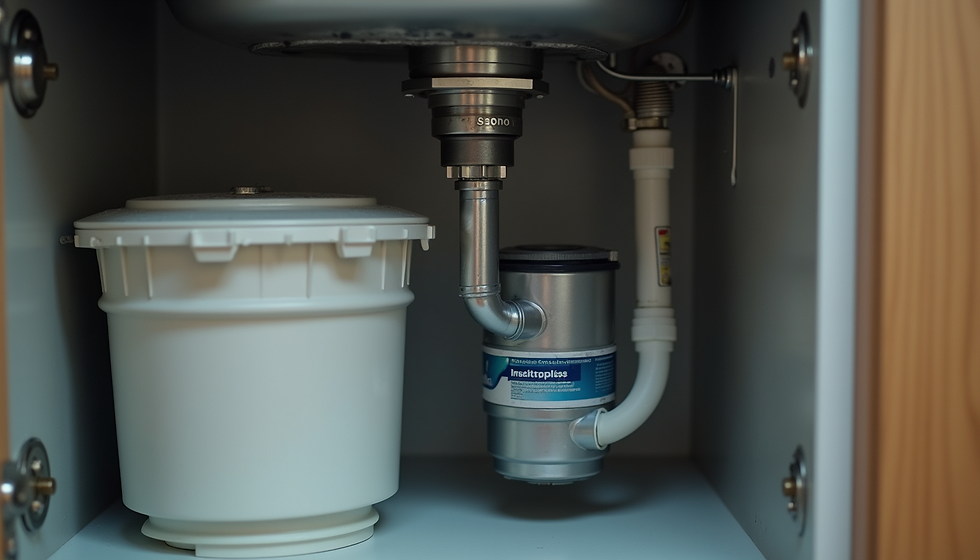
Locate the hot and cold water shut-off valves under your sink and turn them clockwise to close.
👉 Pro Tip: Turn the faucet on afterward to release any remaining pressure and drain leftover water into a bucket.
🔧 Step 2: Disconnect Water Supply Lines

Use your basin wrench to loosen the nuts connecting the water supply lines to the faucet.
Keep a bucket underneath—there will be some water
If connections are stuck, apply steady pressure (don’t force it too hard)
🪛 Step 3: Remove the Old Faucet

This is usually the hardest part.
Use a basin wrench to remove mounting nuts
Once loose, lift the old faucet out from the top
Clean the sink surface thoroughly (remove old grime and sealant)
👉 This step can be frustrating if parts are rusted—that’s where most people call for help.
🚿 Step 4: Install the New Faucet
Follow your faucet’s instructions, but generally:
Insert the new faucet into the holes
Add gasket or plumber’s putty if required
Tighten mounting nuts underneath
Make sure everything is aligned straight before fully tightening
🔄 Step 5: Reconnect Water Lines
Reattach supply lines
Use plumber’s tape if needed
Turn water back on slowly
Check carefully for leaks
👉 Let the faucet run for a minute to flush out debris.
✅ Final Check
Make sure:
No leaks under the sink
Good water pressure
Handles operate smoothly
Faucet is firmly secured
💡 When to Call a Pro
You might want help if:
Shut-off valves are stuck or leaking
Pipes are corroded
You don’t have the right tools
The faucet won’t come loose
You just want it done fast and clean
🔧 Need Help? I’ve Got You Covered.
If you’re in New Jersey and don’t want to deal with tight spaces, stubborn fittings, or potential leaks—We can handle it for you.
✔ Fast, clean installation✔ Proper sealing and leak testing✔ Old faucet removal included✔ Honest, flat-rate pricing
👉 Book a handyman for 4-8 hours at a Flat-Rate.
📍 Local, Reliable Handyman Service
This & That Handyman Services provides professional home repairs across North Jersey—from plumbing fixes to full home upgrades.


Comments